
Clear findings, in plain language
You will understand what we saw, where we saw it, and what conditions are supporting it, with next-step priorities that match the situation.
Serving Des Moines, Iowa & surrounding areas
24/7 Emergency Response
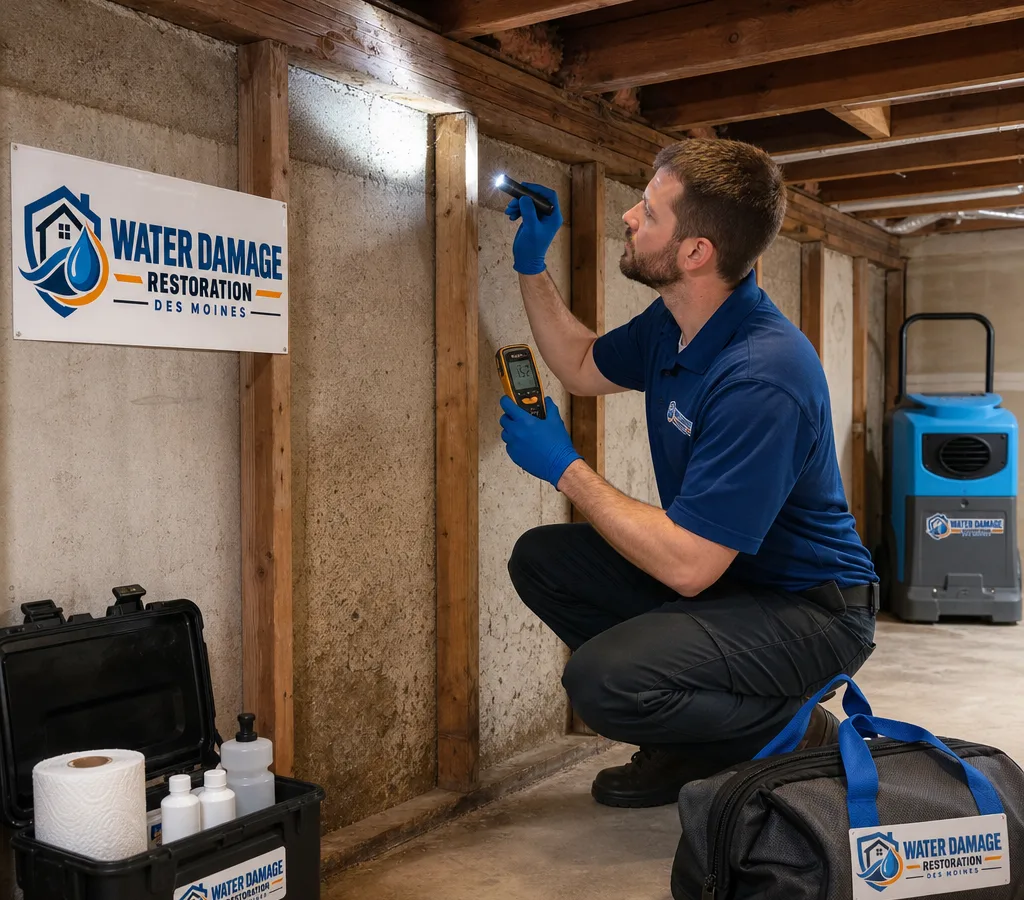
Mold Inspection • Des Moines
If you smell musty odors, see staining, or recently had moisture in the home, a thorough inspection can tell you where mold is growing, what conditions are feeding it, and what to do next.
Evidence Before Action
A mold inspection is a fact-finding visit focused on two things: visible or hidden microbial growth and the moisture source that allows it to keep coming back. For homeowners and property managers searching for mold inspection Des Moines options, the goal is clear answers, not guesswork.
In Des Moines, common triggers are the same ones we see across the Midwest: wet basements after heavy rain, damp crawl spaces, attic condensation, and slow plumbing leaks that soak drywall or cabinetry long before the stain shows. An inspection should connect the dots between building conditions and what you are seeing or smelling.
Our inspections typically include:
We also explain limitations up front. Mold can be hidden behind finished surfaces, and any non-invasive inspection relies on evidence, moisture readings, and access. If opening a cavity is warranted, we will tell you exactly why and what area is most likely to matter.
Likely Trouble Spots
A good mold inspection focuses on building science, not just a quick look for black spots. We pay extra attention to locations where warm, humid air meets cool surfaces or where materials stay damp.
Basements and lower levels are a frequent starting point because concrete walls and slabs can stay cool and hold moisture against finished framing. We often check along sill plates, rim joists, behind stored items, and anywhere carpet or baseboards have been wet.
Bathrooms and laundry rooms receive close inspection because repeated humidity and intermittent leaks create favorable conditions around exhaust fans, under vanities, at toilet bases, and behind supply lines.
Attics can develop mold when ventilation is poor or warm indoor air escapes onto cold roof decks. We look for patterns that suggest condensation rather than a roof leak.
For property managers, we can also help document unit-to-unit patterns so you can prioritize the most effective repairs first.
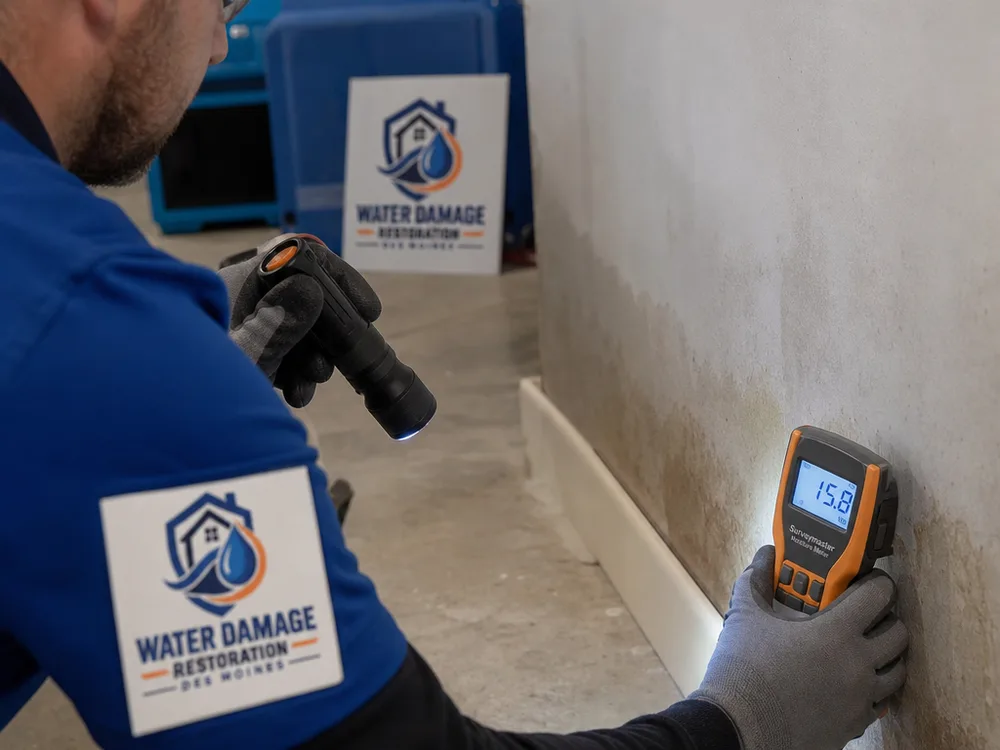
Useful Findings, Clear Priorities
You will understand what we saw, where we saw it, and what conditions are supporting it, with next-step priorities that match the situation.
Mold follows moisture. We focus on active moisture, high-humidity areas, and conditions that keep materials damp.
When sampling is appropriate, we explain what it can and cannot prove and how results should guide decisions.
For transaction-related inspections, we help translate findings into practical repair questions for the responsible party.
We help document conditions, likely sources, and reasonable corrective actions so everyone works from the same facts.
Measured Inspection Sequence
We start with targeted questions about odors, visible staining, recent leaks, flooding, and ongoing humidity.
We inspect affected and adjacent areas while moisture readings help determine whether materials are currently wet or have dried since the event.
When conditions warrant it, we collect samples in a controlled way and document the location and purpose of each one.
We explain the likely moisture source, what should be corrected first, what to monitor, and the scope elements that matter if remediation is needed.
Planning Your Inspection
Mold inspection in Des Moines typically ranges from about $250 to $650 for most homes, depending on the home size, the number of areas of concern, and whether sampling is needed. A basic visual inspection with moisture checks is usually at the lower end, while inspections that include multiple samples and larger properties trend higher.
Price changes with accessibility, how many rooms need moisture mapping, and whether an active leak or recent water event requires more time. The exact cost is confirmed after we understand your concerns and the areas you want evaluated.
When An Inspection Helps
Most clients reach out when something feels off, but they cannot pinpoint the cause. These are the situations where an inspection is most useful:
If you are dealing with a current or recent water problem, addressing the moisture source quickly matters as much as the inspection. Some clients stabilize the situation with water damage restoration and then schedule an inspection to document conditions and guide next steps once materials have dried.
“We had a persistent musty smell in the basement and could not tell if it was old water damage or active moisture. The inspection pinpointed the damp areas and explained what needed to change so it would not keep coming back.”
“As a property manager, I needed a clear write-up I could share with ownership and maintenance. The findings were specific and practical, and it helped us prioritize the repair work.”
Homeowner Answers
Scheduling depends on current demand and urgency, but we prioritize active leaks, recent water intrusion, and properties with occupants reporting symptoms. Share whether the issue is ongoing, where you see or smell it, and whether a basement, attic, or crawl space needs access.
You do not always need testing. Many situations can be evaluated with a visual inspection, moisture measurements, and a clear building history. Testing can help with hidden growth or needed documentation, but it works best when tied to a specific question.
Yes. Those areas often reveal the moisture source and commonly produce odors that migrate into living spaces. Safe access matters, so we may ask about openings, stored items, and known electrical or structural hazards.
Do not disturb suspect growth or heavily clean areas you want evaluated. Clear access to under-sink cabinets, utility rooms, and stained surfaces when possible, and note when odors or symptoms began and whether they change after rain.
We explain what is known from visible conditions, moisture readings, and any lab results. Health risk varies by sensitivity, time spent in the area, and whether growth is disturbed, so anyone experiencing symptoms should also consult a medical professional.
We can outline what a proper remediation scope should include, including containment, affected porous materials, and moisture-source correction. Tell us whether you need transaction documentation, a landlord plan, or a remediation scope for bidding.
Inspect. Document. Decide.
Tell us what you are noticing and where it is happening. We will schedule a mold inspection, document the findings, and walk you through the next steps so you can act with confidence.